
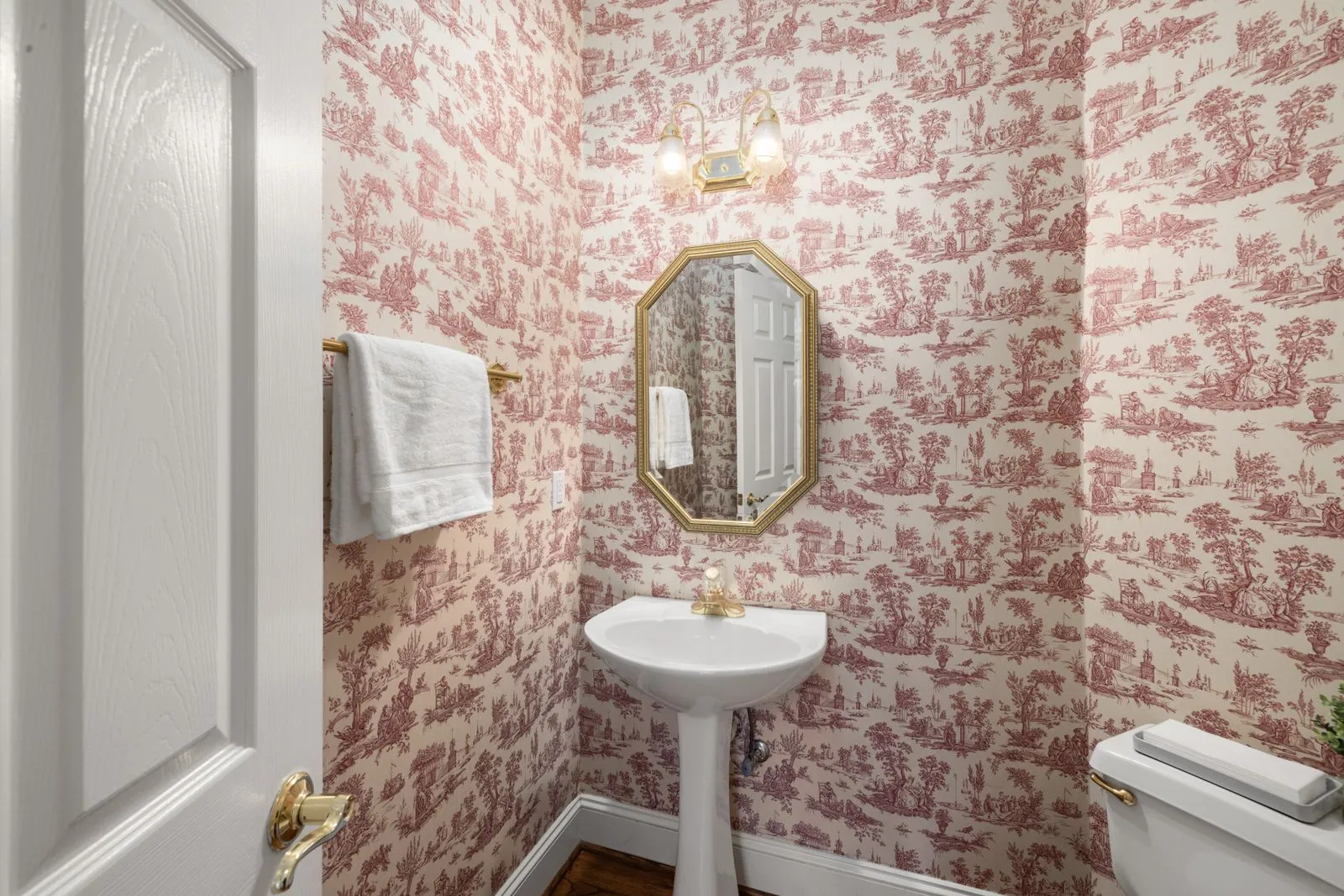
Textured wallpaper can add warmth and dimension to a small room, but the wrong pattern or placement may make the space feel busy. Start by considering how the room is used, where natural light falls, and which surfaces you want to emphasize. Then compare pattern scale and texture with your furniture and finishes. A few careful choices can create visual interest while keeping the room comfortable and balanced.
Choose Texture With Intention
Texture affects how a wall looks from different distances and in changing light. Subtle linen-like, grasscloth-inspired, or finely embossed surfaces can add depth without competing with furniture. More pronounced raised designs create a stronger focal point, so they often work best on one wall rather than throughout a compact room.
Check samples in the room before deciding. View them in daylight and with the lamps you use at night, since shadows can make raised details appear more dramatic. Place a sample near existing fabrics, flooring, and wood finishes. This helps you spot clashing undertones and decide whether the texture feels calm or overly busy.
Match Pattern Scale to Space
Small, detailed patterns can blend into the background, especially when viewed from across the room. They suit spaces where you want gentle interest without a bold focal point. Larger patterns can also work in small rooms: a clear, open design may feel more composed than a dense repeat with many small details.
Look at the full pattern repeat, not just a small sample. Ask how much of the design will show between doors, windows, and furniture. If the room already has patterned rugs, bedding, or upholstery, choose wallpaper with a simpler motif or quieter contrast. Coordinating pattern scale helps the room feel layered rather than crowded.
Plan Where Wallpaper Goes
A single accent wall can draw attention to a bed, desk, or seating area and give the room a clear focal point. Choose a wall that remains visible from the entrance and is not broken up by several doors or windows. In a narrow room, wallpapering the far end can help define that surface without covering every wall.
Wallpapering all the walls can feel cohesive when the pattern is restrained and the texture is subtle. This approach may suit a powder room or a small entry where continuous treatment makes sense. For a bedroom or office with many furnishings, one wall or a defined alcove can add character while leaving other surfaces visually quiet.
Balance Color and Light
Light colors can keep walls feeling open, but contrast and finish matter as much as color alone. A pale wallpaper with a strong, busy motif may feel more prominent than a deeper tone with a quiet texture. Compare samples against trim and ceilings, and consider whether the room receives direct sunlight or relies mostly on artificial light.
Use the wallpaper as part of the room’s overall palette. Repeat one or two of its colors in a cushion, lamp, or artwork, then keep larger furnishings relatively simple. In San Diego, San Diego Texture Co can help homeowners evaluate wallpaper options and installation needs for their space.
For a small room, choose wallpaper by considering texture, pattern repeat, light, and the wall’s role in the layout. Test a sample in the actual space and compare it with your furnishings before committing. If you want help planning a balanced installation, contact San Diego Texture Co to discuss your room and wallpaper options.